Source disposable sterilization tyvek header pouch for Medical Devices, Pharmaceutical Packaging, and Medical Consumables Sterilization
Find and compare 30 options for disposable sterilization tyvek header pouches designed for medical devices, pharmaceutical packaging, and sterilization consumables. Evaluate features like EO/steam disinfection, antistatic properties, and customizable sizes to select the right packaging solution for your supply chain needs.
Key considerations
Products List


Comprehensive Sourcing Guide
Disposable Sterilization Tyvek Header Pouch Sourcing Guide
Procuring disposable sterilization Tyvek header pouches requires a precise understanding of material composition, sterilization compatibility, and regulatory compliance. These pouches serve as critical barriers in medical and pharmaceutical environments, ensuring that instruments and devices remain sterile until the moment of use. The sourcing process must balance technical performance with commercial viability, focusing on suppliers who can consistently deliver products that meet stringent hygiene and safety standards. Buyers must navigate a market where product variations in closure types, material layers, and sterilization methods directly impact usability and regulatory acceptance.
The following guide provides a structured approach to evaluating suppliers and selecting the right sterilization pouches for your specific operational needs. It emphasizes verification of technical specifications, compliance documentation, and quality control measures. By adhering to these guidelines, procurement teams can mitigate risks associated with supply chain disruptions, product failures, and non-compliance with international medical device regulations. The focus remains on evidence-based decision-making, leveraging observed market signals and trusted industry knowledge to inform sourcing strategies.
Product Scope and Observed Listing Signals
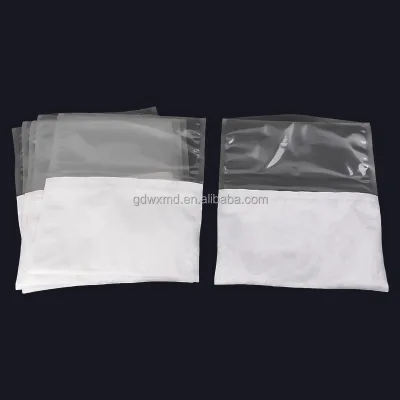
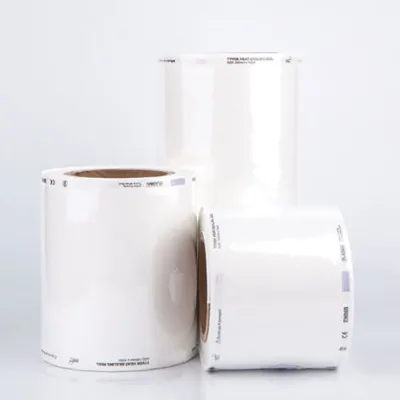
The market for disposable sterilization pouches encompasses a variety of configurations, primarily distinguished by material composition and closure mechanisms. Observed listings indicate a prevalence of products constructed from Tyvek paper combined with plastic film, offering a balance of breathability and moisture resistance. These materials are essential for allowing sterilizing agents, such as ethylene oxide or steam, to penetrate the pouch while preventing microbial ingress afterward. The product scope also includes variations in closure types, with heat-sealing and press cap options being common, allowing users to select the method that best fits their sterilization cycle and handling requirements.
Listing signals reveal significant customization capabilities, with suppliers offering tailored dimensions, logo printing, and packaging configurations. Standard sizes observed include 100mm200mm, 150mm200mm, and 400mm*500mm, catering to diverse instrument sizes. Additionally, the presence of OEM logo acceptance and customized labeling options suggests that many manufacturers support branding and traceability needs. Buyers should note that while many products are described as transparent or white, the specific visual characteristics may vary by supplier. The availability of samples and free sample offers indicates a competitive market where evaluation of physical product quality is a standard preliminary step before committing to large orders.
Technical Specifications to Verify
Verifying the material composition is the first critical step in technical evaluation. The core material often cited is a composite of Tyvek paper and plastic film, which provides the necessary barrier properties for sterilization. Buyers must confirm the thickness and flexibility of the pouch, as these attributes affect handling ease and sealing integrity. Some listings specify a soft flexibility, which is desirable for wrapping irregularly shaped instruments. It is also essential to verify the closure type, whether it is heat-sealing or utilizes a press cap, as this determines the equipment required for sealing and the reliability of the seal under sterilization conditions.
Sterilization compatibility is another vital technical parameter. Products may be designed for ethylene oxide (Eo) sterilization, steam sterilization, or both. Some listings explicitly mention Eo/Steam disinfecting types, while others specify ethylene oxide sterilization without residual concerns. Buyers must ensure that the selected pouch is compatible with their facility’s sterilization method. Additionally, the shelf life of the sterilized pouch, often cited as one year, should be verified to align with inventory management practices. The product model numbers, such as YC-TYVEK POUCH or TRHD3853, can serve as reference points for specific technical attributes, but buyers should always request detailed technical data sheets to confirm performance characteristics.
Compliance and Safety Documentation
Regulatory compliance is non-negotiable in the medical device and pharmaceutical packaging sectors. Buyers must verify that suppliers hold relevant certifications, such as ISO 13485 for medical device quality management systems and CE marking for European market access. These certifications indicate that the manufacturer adheres to rigorous quality and safety standards. Additionally, the product’s intended usage, whether for medical devices, pharmaceutical packaging, or medical consumables sterilization, must align with the supplier’s declared capabilities and regulatory approvals. Documentation should clearly state the product’s properties as medical materials and accessories, ensuring traceability and accountability.
Safety documentation should also include information on sterilization methods and residue levels. If the pouches are sterilized using ethylene oxide, buyers should request data on aeration processes and residual ethylene oxide levels to ensure patient safety. The quality guarantee period, often listed as two years, provides assurance of product stability and performance over time. Buyers must also verify that the products are unrecycled, as recycled materials may compromise barrier integrity and sterility. Clear labeling options and customized logos can aid in traceability, but the primary focus must remain on the product’s ability to maintain sterility throughout its shelf life.
Cost Drivers and Commercial Terms
Several factors influence the cost of disposable sterilization pouches, including material quality, customization requirements, and order volume. The use of high-grade Tyvek and plastic film composites, along with specialized manufacturing techniques like bottle blowing, contributes to production costs. Customization options, such as specific dimensions, logo printing, and unique packaging configurations, can also increase pricing. Buyers should expect a wide range of prices, observed between $0.01 and $4.2 per unit, depending on these variables. Understanding the cost structure helps in negotiating favorable terms and avoiding unexpected expenses.
Minimum order quantities (MOQs) vary significantly, ranging from as low as one unit for samples to 200,000 units for bulk orders. This flexibility allows buyers to test products before committing to large volumes. Packaging details, such as 1000 pieces per carton or 200 pieces per box, impact logistics and storage costs. Buyers should consider the total cost of ownership, including shipping, handling, and storage, when evaluating quotes. Additionally, the availability of samples and free sample offers can reduce initial testing costs. Clear commercial terms regarding payment, delivery, and returns are essential for a smooth procurement process.
Supplier Qualification and Quality Control
Supplier qualification involves assessing the manufacturer’s production capabilities, quality control processes, and track record. Buyers should verify the supplier’s origin, with many manufacturers located in regions like Anqing, China, known for medical packaging production. It is crucial to confirm that the supplier has a robust quality management system in place, certified by recognized bodies. Requesting audit reports or third-party verification can provide additional assurance of the supplier’s reliability. Suppliers who offer customized standards and models demonstrate flexibility and a commitment to meeting specific buyer requirements.
Quality control measures should include rigorous testing of seal integrity, material strength, and sterilization compatibility. Buyers should inquire about the supplier’s testing protocols and frequency of quality checks. The availability of product samples allows for hands-on evaluation of these quality aspects. Additionally, suppliers who provide detailed product models and specifications enable buyers to conduct thorough technical assessments. Establishing a clear communication channel with the supplier for addressing quality issues and implementing corrective actions is vital for maintaining consistent product quality over time.
Long-Term Procurement Checks
Long-term procurement success depends on continuous monitoring of supplier performance and product quality. Buyers should establish key performance indicators (KPIs) related to delivery times, product defect rates, and compliance adherence. Regular audits and reviews of supplier quality management systems help identify potential issues before they impact operations. Maintaining a diverse supplier base can mitigate risks associated with supply chain disruptions. Buyers should also stay informed about changes in regulatory requirements and industry standards to ensure ongoing compliance.
Feedback loops between procurement, quality assurance, and end-users are essential for continuous improvement. Collecting data on product performance in clinical or laboratory settings can inform future purchasing decisions. Buyers should also evaluate the supplier’s ability to innovate and offer new products that meet evolving needs. By fostering strong relationships with qualified suppliers and maintaining rigorous quality control standards, organizations can ensure a reliable supply of high-quality disposable sterilization Tyvek header pouches. This proactive approach supports operational efficiency and patient safety in the long run.
FAQs
What materials are used in disposable sterilization tyvek header pouches?
These pouches typically combine Tyvek paper with plastic film to ensure durability and sterility. The material composition supports effective barrier properties against microbial ingress while maintaining flexibility. This combination is standard for medical device packaging, ensuring the contents remain sterile until the point of use in clinical or pharmaceutical settings.
Can these pouches be customized with specific logos or branding?
Yes, customization is available for branding purposes. Manufacturers often accept OEM logos and offer customized labeling options to meet specific corporate or institutional requirements. This allows healthcare providers and medical device companies to maintain brand visibility while ensuring their sterilization packaging meets necessary regulatory and operational standards for medical consumables.
What sterilization methods are compatible with these header pouches?
These pouches are designed to withstand Ethylene Oxide (EO) and steam sterilization processes. The material integrity remains intact during these treatments, ensuring the sealed contents remain sterile. This compatibility makes them suitable for a wide range of medical devices and pharmaceutical packaging applications where reliable sterilization validation is critical for patient safety and regulatory compliance.
What certifications are typically associated with these medical packaging products?
Products often carry ISO13485 and CE certifications, indicating compliance with medical device quality management standards. These certifications ensure that the manufacturing processes meet rigorous international requirements for safety and performance. Buyers should verify specific documentation to confirm that the packaging solutions align with their regional regulatory needs and quality assurance protocols for medical supplies.
How are these pouches packaged for bulk shipment?
Bulk packaging typically involves carton containers with specific quantities per box or carton. Common configurations include 200 pieces per box or 1000 pieces per carton, facilitating efficient storage and handling. This standardized packing ensures protection during transit and simplifies inventory management for hospitals, clinics, and medical device manufacturers requiring consistent supply of sterilization pouches.
What closure types are available for these sterilization pouches?
Available closure types include press caps, heat-sealing, and heat seal mechanisms. These options provide secure sealing to maintain sterility throughout the shelf life. The choice of closure depends on the specific device being packaged and the sterilization method used, ensuring a reliable barrier against contamination while allowing for easy opening when needed in clinical environments.